✨ New Arrivals Just Dropped!Explore

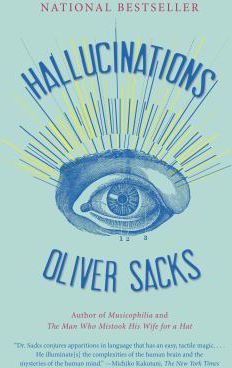
HALLUCINATIONS
For most people, hallucinations imply madness. But non-psychotic hallucinations are common: from the simple geometric shapes that we see when we rub our eyes to the intricate zigzags of a visual migraine, hallucinations take many forms. Throughout history, hallucinations have been linked to mythological tradition, literary inspiration, and even religious epiphany. Drawing on a wealth of clinical cases from his own patients--and citing famous historic examples from Swift to Dostoevsky--Oliver Sacks investigates the mystery of these elusive sensory tricksters: what they say about the working of our brains, how they have influenced our folklore and art, and why the potential for hallucination is present in us all.
$18.00
HALLUCINATIONS—
$18.00
Product Information
Product Information
Shipping & Returns
Shipping & Returns
Description
For most people, hallucinations imply madness. But non-psychotic hallucinations are common: from the simple geometric shapes that we see when we rub our eyes to the intricate zigzags of a visual migraine, hallucinations take many forms. Throughout history, hallucinations have been linked to mythological tradition, literary inspiration, and even religious epiphany. Drawing on a wealth of clinical cases from his own patients--and citing famous historic examples from Swift to Dostoevsky--Oliver Sacks investigates the mystery of these elusive sensory tricksters: what they say about the working of our brains, how they have influenced our folklore and art, and why the potential for hallucination is present in us all.